Prenatal · 6 min read · July 21, 2026
Prenatal Pilates: is it safe, and where do you start?
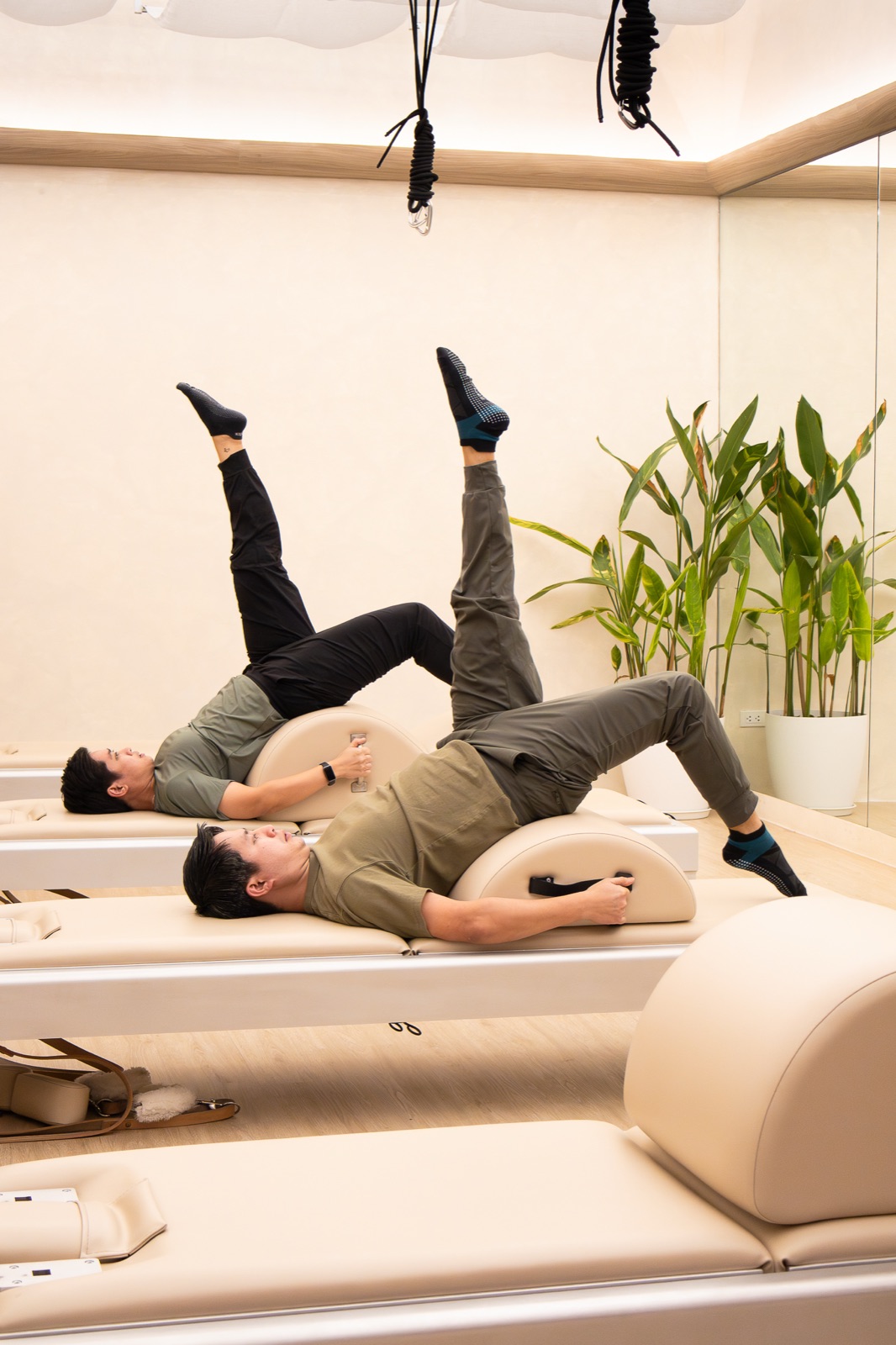
Somewhere in the second trimester, a lot of women get the same two pieces of advice at once: “stay active” and “be careful.” Prenatal Pilates lives exactly in that overlap — movement that keeps you strong for pregnancy, birth, and everything after, taught carefully enough that you never have to guess what's safe.
First, the honest caveat: this article is general guidance, not medical advice. Every pregnancy is different — get your doctor's or OB's go-ahead before starting or continuing any exercise, and tell us about it when you book so we can place you with the right teacher.
Why Pilates suits pregnancy so well
Pregnancy progressively changes your posture, your centre of gravity, and the load on your pelvic floor and deep core — precisely the systems Pilates trains. A good prenatal practice helps manage back and pelvic girdle discomfort, maintains strength and circulation, teaches breath work you will genuinely use in labour, and speeds the road back afterwards.
The reformer is a surprisingly pregnancy-friendly machine: the springs assist as much as they resist, exercises are easily done side-lying or seated, and everything is adjustable to the week you're in.
What changes trimester by trimester
- First trimester: with clearance, most regulars continue close to normal, with fatigue-led adjustments.
- Second trimester: we move away from long spells flat on the back and from loaded, unsupported ab work; side-lying, seated, and standing work take over.
- Third trimester: focus shifts to hips, posture, breath, and pelvic floor — preparing the body for birth rather than chasing intensity.
- Postnatal: once cleared (typically after your postpartum check), we rebuild the deep core and pelvic floor first, gently — especially important after CS delivery or diastasis.
How it works at our studio
Several of our teachers hold Pre- and Postnatal Pilates certifications — including Rina, who is also a registered nurse. For most of pregnancy we recommend private sessions so every exercise is chosen for your week, though experienced practitioners often stay in small group classes longer with their teacher's guidance.
When you complete our health questionnaire, pregnancy is one of the first things we ask about — it flags your profile so every teacher you meet already knows, without you having to repeat yourself.
Starting while pregnant, with no Pilates history?
That's common, and fine. A gentle start under a certified prenatal teacher is far better than staying sedentary for six months. Begin with a private introduction, tell us your due date, and we'll build from there. Message the studio on Viber and mention you're expecting — we'll take care of the rest.
Try a class with us
Boutique classes capped at six, in Molito Lifestyle Center, Ayala Alabang.